
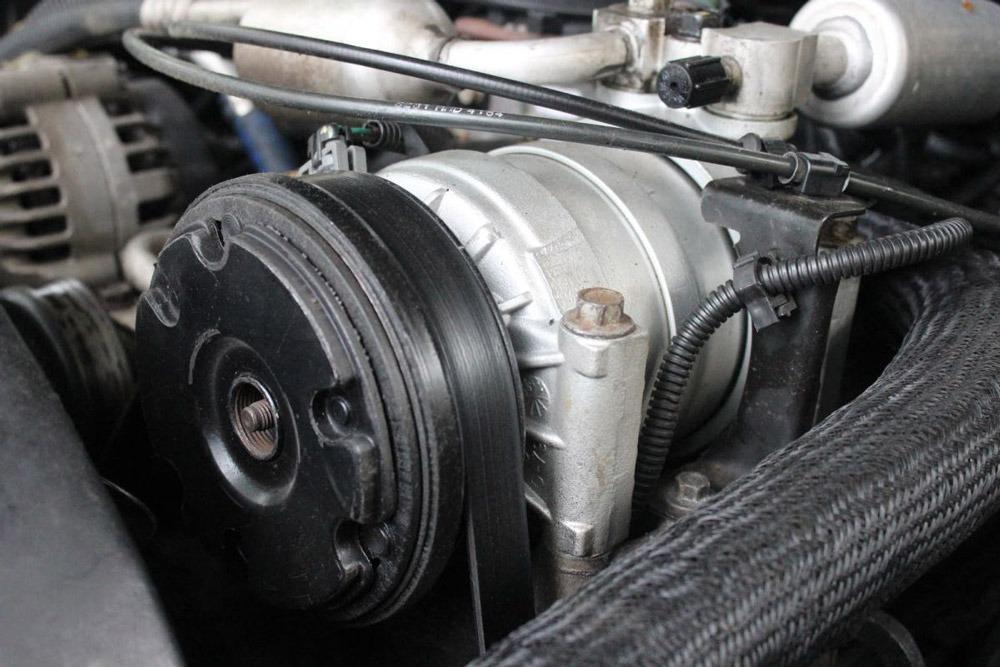
Following the procedure for checking the car compressor is very important and not a matter of entertainment, as it relates to the car's performance and safety. The compressor is the main part of the car's air conditioning system, and if there is a fault in the compressor, the cooling system may stop working completely, making the car uncomfortable, especially in hot weather. Periodic inspection of the compressor helps in detecting any early problems such as leaks or a lack of compressor oil, and this makes you avoid major breakdowns and high repair costs.
You should always apply the method of checking the car compressor to avoid high financial costs, because a compressor with problems consumes additional energy from the engine, which leads to increased fuel consumption. However, if you apply periodic maintenance and check the compressor, this helps to improve the car's performance and avoid sudden and major breakdowns.
How to check your car's compressor in steps
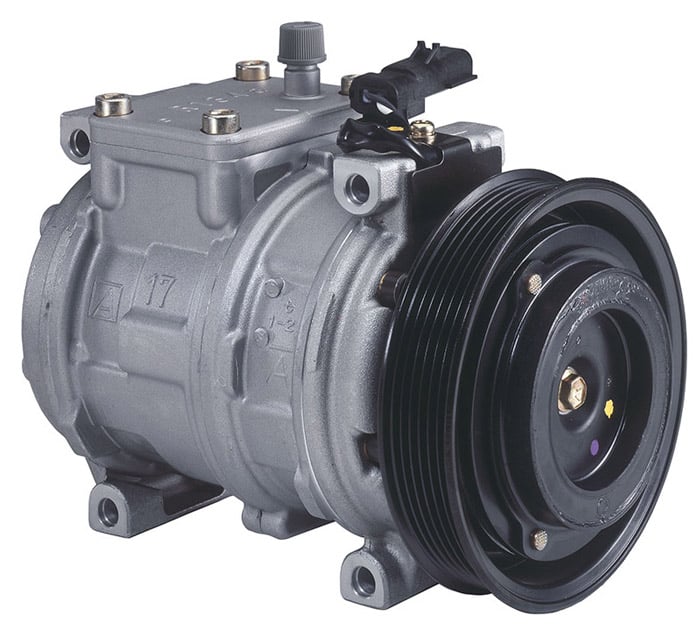
Checking your car's compressor is an important step to ensure the efficiency of your air conditioning system. You can do this by following the basic steps for checking the compressor, which are:
- Turn on the car's air conditioner to its maximum cooling level and make sure the compressor is working (you can notice the sound of it starting or a change in the engine sound).
- Check the sound; if there is an abnormal noise such as knocking or squeaking when the compressor is running, this indicates a problem with the compressor.
- Use the air conditioner's pressure gauge to check the Freon gas pressure in the system. The reading should be within the correct range (usually between 20-30 PSI for the low end and 150-250 PSI for the high end). If the values are lower or higher than this, there is a leak or a problem with the compressor.
- Check the wires and fuses, and make sure there is no damage to the wires connected to the compressor or any blown fuses.
- Check the cooling fan and make sure it is working when the air conditioner is switched on, because a non-working fan may cause the compressor to overheat and break down.
- Checking for leaks and inspecting around the compressor may reveal signs of compressor oil or refrigerant leakage.
If you notice any problem with the compressor, it is necessary to consult a specialist mechanic to perform a thorough inspection and repair of the system.
Qozom Car Auto Parts Store presents to you Best Nissan Urvan compressor
How do I know if my air conditioner compressor is faulty?
You may often encounter the question, "How do I know if my AC compressor is faulty?" To determine if your car's AC compressor is damaged, you should observe some common signs and symptoms. The appearance of these signs indicates that the compressor is malfunctioning, such as:
- Weakness in the air conditioner's cooling, and if the air coming out of the air conditioner vents is not as cold as it should be.
- Unusual noises, a loud rattling sound, or a squeaking noise from the compressor may indicate damage to internal components.
- If you notice that the clutch does not work when the air conditioner is turned on, this indicates a problem with the compressor or a fault in the electrical system connected to it.
- If you notice an oil or Freon leak around the compressor or air conditioning pipes
- A low Freon level means the compressor is unable to compress the gas sufficiently for the required cooling.
- If there is an abnormally high pressure within the air conditioning system, as checked using pressure gauges, this indicates a blockage or compressor malfunction.
- If the air conditioning system frequently shuts off after being on for a short period, this may be due to overheating inside the compressor or an internal malfunction.
- If you notice that running the air conditioner leads to a significant decrease in motor performance or the appearance of abnormal vibrations
If you notice these signs, it's best to check your car's compressor yourself or have it checked by a specialist to ensure its condition and replace it if necessary. It's also important to choose the best type of compressor. High quality in manufacturing, durability and operational efficiency to maintain the quality of the cooling system.
Causes of car compressor failure
Damage to a car air conditioner compressor can occur due to several factors that negatively affect the compressor and contribute to its failure, including a low level of refrigerant oil (Freon) in the compressor. The compressor needs a sufficient amount of refrigerant oil to lubricate the internal parts, and a low level of Freon or oil can cause friction, wear, and damage to the compressor. Leaks in the air conditioning system lead to Freon loss, which increases the pressure on the compressor and causes it to overheat. The leak usually occurs from damaged connections or plugs.
Another reason for damage to the car compressor is blockage in the filter or pipes, which leads to pressure buildup in the system and increases the burden on the compressor, causing it to break down in the long term. Failure to maintain the air conditioning system regularly and neglecting to check the refrigerant levels and change the filters leads to the accumulation of problems over time.
Another cause of car compressor damage is exposure to excessive heat. Running the car's air conditioning for extended periods in very hot environments leads to overheating of the compressor and increases the likelihood of damage. Like any mechanical component, the compressor is subject to wear and tear over time, and prolonged use without replacement can eventually lead to its failure. To prevent compressor damage, it is recommended to perform regular maintenance on the air conditioning system and check the refrigerant level regularly, while ensuring the use of high-quality spare parts. You can find these at Qazoom Car Store. To get the best original car parts from global brands at reasonable prices.
How to check a car air conditioner compressor
The best way to check your car's air conditioning compressor to identify the causes of malfunction or reduced cooling and to ensure there are no faults is through a series of organized steps:
- Check the sound by running the air conditioner on full power and trying to listen for any unusual noises such as squeaking or crackling that may indicate problems inside the compressor.
- Pressure testing using a Freon pressure gauge to check the pressure in the system. The high pressure should be between 150-250 psi and the low pressure between 20-40 psi.
- Check the operation of the clutch and make sure that the clutch works when the air conditioner is turned on.
- Check for leaks by inspecting the area around the compressor and pipes, and looking for oil or Freon leaks.
- Check the electrical voltage using a multimeter and verify that there is electrical voltage reaching the compressor when the air conditioner is turned on. The voltage should be around 12 volts.
- Make sure there are no bends or breaks in the pipes connected to the compressor.
After applying the previous steps for checking the car air conditioner compressor, select the performance and observe the air conditioner's cooling. Is the outgoing air not cold or is it unevenly cold? After running the air conditioner for a while, check the compressor temperature. Is it too high? There may be a problem with the lubrication or pressure.
How to clean a car compressor
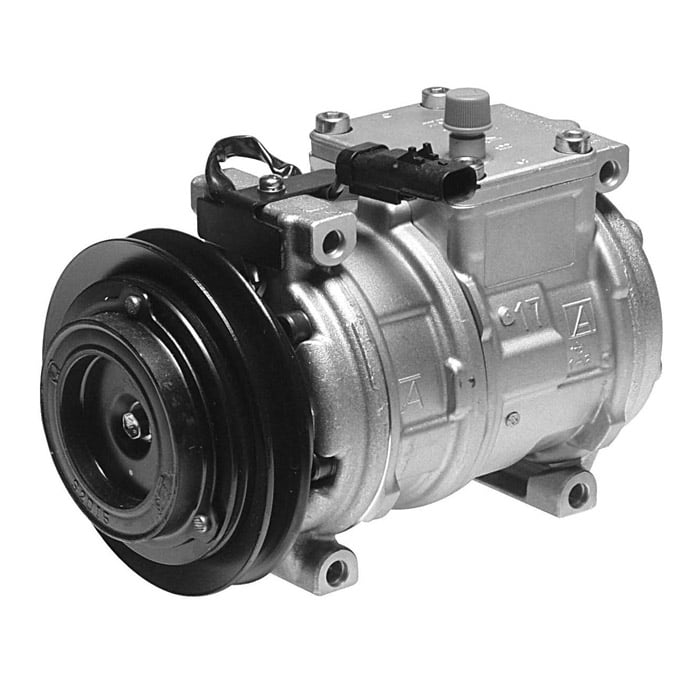
The proper method for cleaning a car compressor must be mastered and applied regularly, as it requires care and expertise. The engine must be turned off and the system pressure released before starting any work. The first step in inspecting a split compressor is to remove it, following the instructions in your car's maintenance manual. Then, use a clean cloth and non-caustic cleaning materials to clean the compressor's exterior surface. After ensuring the removal of accumulated dirt and oil, open the compressor to inspect the internal parts and look for signs of wear or damage. Make sure to clean or replace the air conditioning system filters, as dirty filters can affect compressor performance. Do not use harsh chemicals that could damage the compressor or its components. After cleaning and inspection, reinstall the compressor, ensuring that all connections are tight and that the system is recharged with refrigerant according to the required specifications. Regularly inspect your car compressor to maintain your car's cooling system at its best.